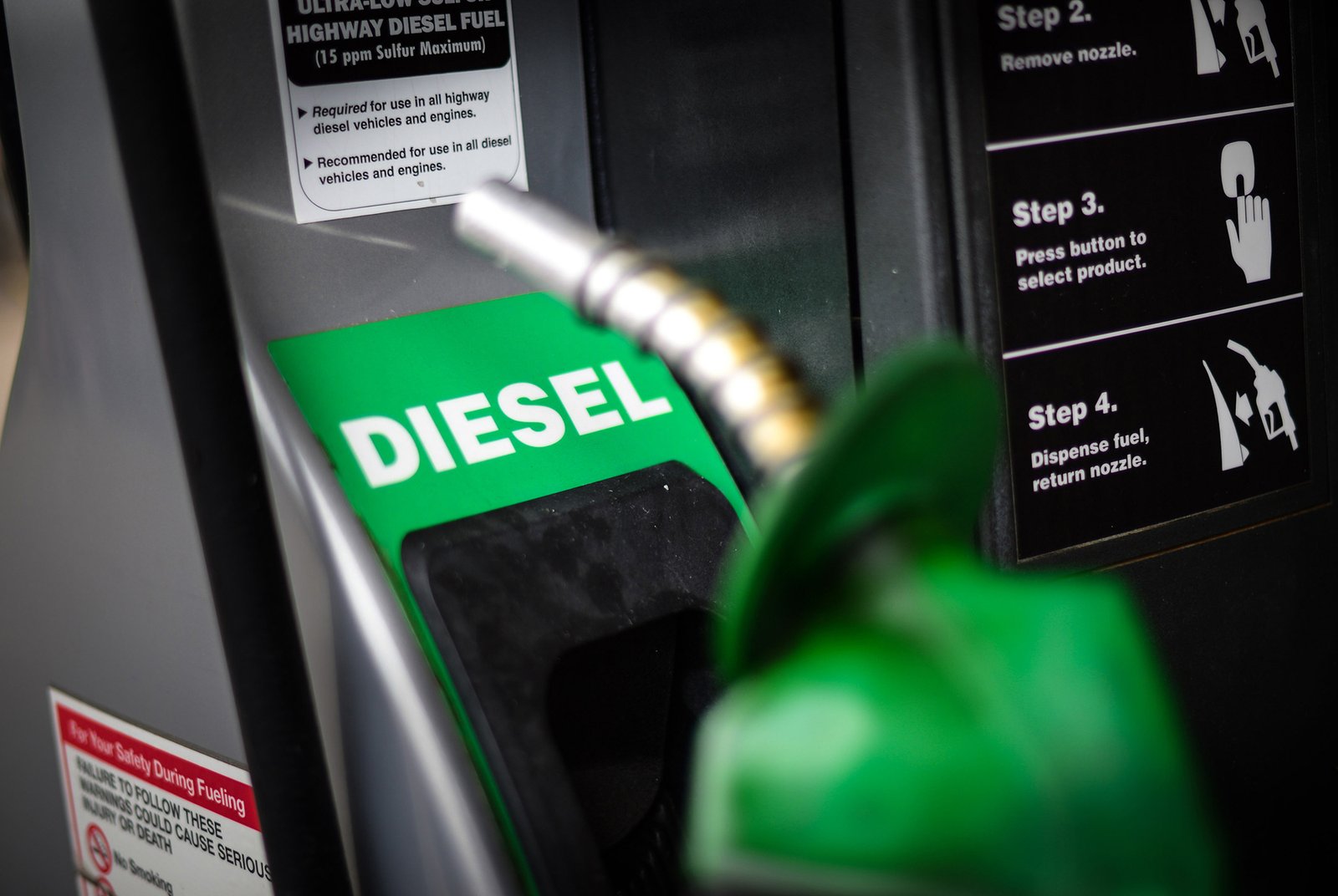
CornerStone Consultants Inc. emerges as a prominent diesel fuel supplier catering to the needs of clients. Our extensive range includes on- and off-road ultra-low-sulfur diesel fuel, serving diverse industries.
As industry leaders in the diesel fuel market, our success stems from a steadfast commitment to enhancing customer operational efficiency. Our dedicated team goes beyond the mere provision of diesel fuel products; we craft innovative solutions aimed at reducing the total cost of equipment ownership.
Diesel Fuel D2 is a conventional diesel type without a specific standard like EN 590. It generally has a higher sulfur content, contributing to increased emissions and potential incompatibility with engines designed for low-sulfur fuels. D2 lacks the environmental benefits associated with ultra-low-sulfur diesel and may be subject to varying specifications and regulations globally.
Diesel Fuel D6 classified as a residual fuel oil, holds a unique position in the energy sector, deviating from standard automotive diesel fuels like EN 590 or D2. Derived from the heavier components left after crude oil distillation, D6 finds its primary application in large-scale industrial settings and power plants rather than in conventional vehicles.
D6’s distinctive feature lies in its high viscosity and density compared to lighter diesel fuels. This characteristic makes it suitable for applications where a slower burn rate is acceptable or even advantageous. In industrial contexts, such as power generation units and large machinery, D6’s higher viscosity supports controlled and sustained combustion, aligning with the specific requirements of these operations.
Sulfur content is a noteworthy consideration for diesel fuels, impacting both environmental and operational aspects. D6, being a residual fuel, may exhibit variable sulfur content. Unlike low-sulfur diesel fuels adhering to strict environmental standards, D6 might have a higher sulfur content, potentially leading to increased emissions of sulfur dioxide during combustion. This characteristic emphasizes the need for users to understand the specific fuel composition, particularly in regions where sulfur emissions are subject to stringent regulatory limits.